







Search Results for: Jianfu Convenience Store
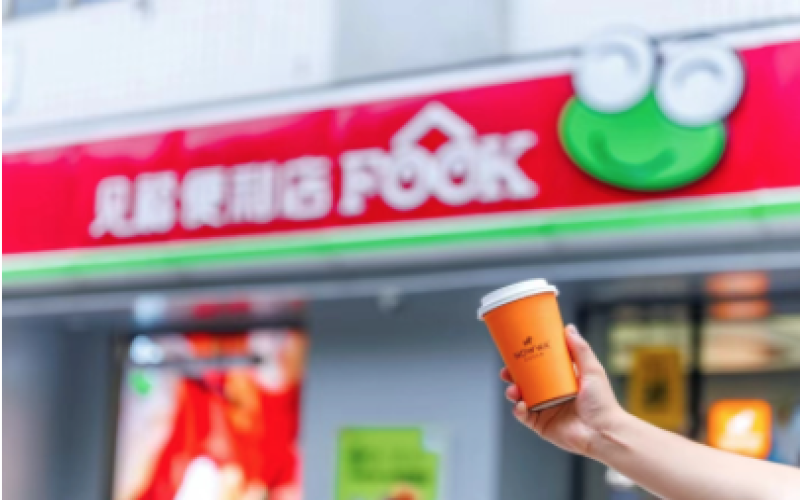
NOWWA Coffee partners with Jianfu Convenience Store to explore a joint operation model, with the first batch of 150 stores already in operation.
The integration of coffee brands with the convenience store format is accelerating. Recently, NOWWA Coffee announced a strategic partnership with Jianfu, the largest convenience store brand in Fujian, and the two parties will jointly operate stores through a co-management model, with the first batch of 150 partner stores already launched. This move not only helps NOWWA expand rapidly by leveraging the convenience store’s mature supply chain and low-cost operating advantages, but also adds a new category to the convenience store’s diversified operations. Against the backdrop of intensifying competition among brands such as Luckin and Cotti, NOWWA is exploring lower-tier markets through offline channel cooperation and plans to launch 500 co-managed stores in 2024 and 2,000 in 2025, covering the four provinces of Fujian, Jiangxi, Sichuan, and Jiangsu. [more…]
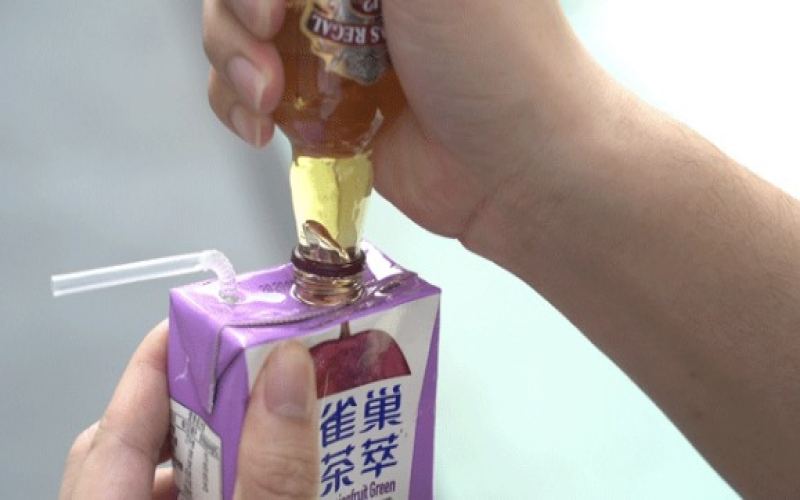
7-Eleven Tests a Self-Service Cocktail Station: Can Convenience Store Cocktails Mixed with Coffee Become the Next Big Trend?
In the past two years, convenience store cocktail mixing has unexpectedly gone viral, with netizens using soft drinks, coffee, and mini liquor bottles to create all kinds of DIY concoctions. 7-Eleven recently piloted a self-service cocktail mixing area at a store in Beijing, offering four popular base spirits along with trending online recipes, allowing consumers to experience coffee cocktails at a lower cost and in a more elegant way. This move not only lowers the barrier to DIY but also reflects young people's blurring of the boundaries between coffee and alcohol consumption scenarios. This article takes you through the past and present of convenience store cocktail mixing and explores whether alcohol and coffee can be consumed together. [more…]
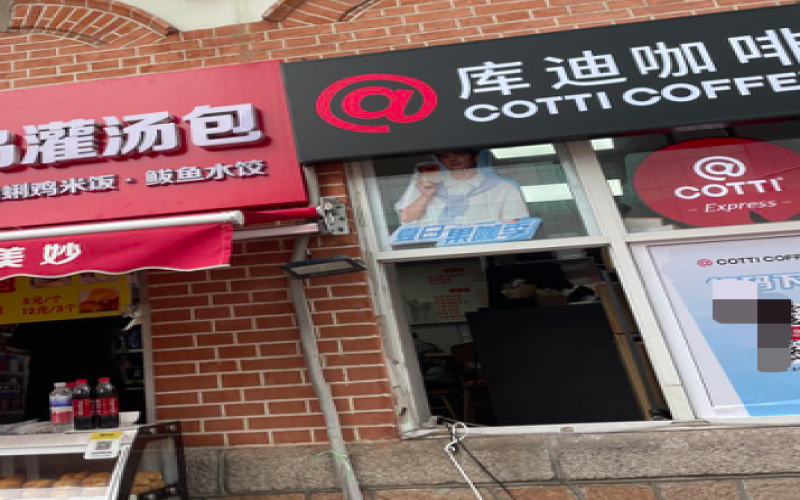
Cotti Coffee's store-within-a-store model sparks debate: from bun shops to pet hospitals, convenience hides hygiene concerns
Recently, a netizen tried to find a Cotti Coffee store using mobile navigation, only to be surprised upon arrival to discover that the coffee shop was actually located inside a soup dumpling restaurant. This netizen's sharing quickly resonated with consumers everywhere, who then posted their own encounters with Cotti stores in places like Lawson convenience stores, service halls, ramen shops, pet hospitals, and even skateboard shops. Since launching its convenient store model in May this year, Cotti has claimed that "a store can be opened with just 1 square meter," and plans to expand by 8,000 convenient stores in the second half of the year, aggressively penetrating into various small and micro commercial scenarios with rapid expansion. However, while the brand accelerates its layout and strives to achieve "Cotti within 100 meters," consumers have raised serious concerns about the hygiene conditions, product quality control, and food safety risks of this store-within-a-store model. Front Street Coffee is also paying attention to this industry phenomenon, believing that balancing convenience and quality will be an urgent issue for Cotti to address. [more…]
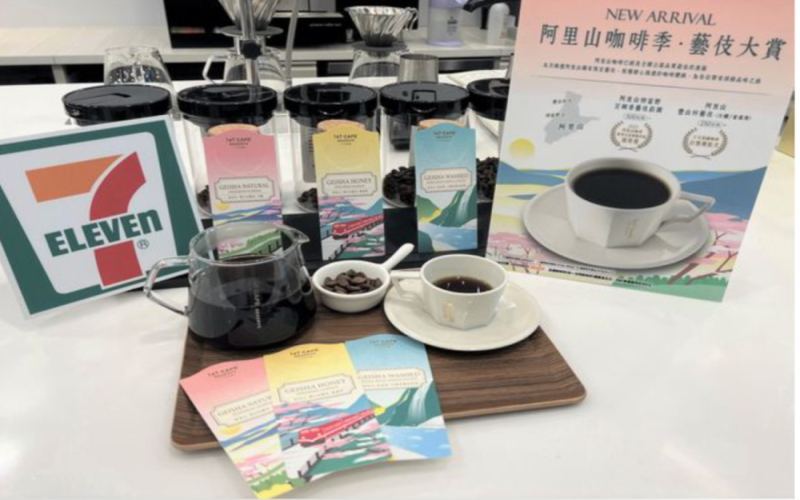
Convenience Stores Enter the Specialty Coffee Game: 7-ELEVEN Launches Limited-Time Alishan Geisha, Three Price Points Spark Debate
A convenience store selling Geisha—doesn't that sound a bit surprising? Taiwan region's 7-ELEVEN, operated by Uni-President Group, recently announced that it would offer a limited-time release of three Geisha coffees from Alishan at 18 stores with specialty coffee sections, priced at NT$250 to NT$500, equivalent to about 57 to 114 yuan. Once the news broke, discussions among netizens quickly heated up: some complained it was expensive, arguing that convenience store coffee should follow an affordable路线; others applauded, feeling this could make Geisha seem more approachable. This batch of beans comes from Fengshan Village in Alishan and the Doyuxiang Geisha Estate, the latter of which just won first prize in the Geisha category at this year's Alishan Coffee Estate Elite Exchange Competition. Is 7-ELEVEN's move an attempt to elevate its brand image, or a test of the convenience store coffee pricing system? This article takes you through the full backstory of the event and discusses the price and value of Geisha coffee. [more…]
Suning's first specialty coffee shop lands in Nanjing, entering the convenience store coffee race with 27 drinks
Suning Xiaodian's first dedicated coffee shop has begun trial operations in Nanjing, marking Suning's official move to step up its presence in the coffee market. The store adopts a "convenience store + coffee" model, offering 27 beverages across five major categories, including coffee, tea drinks, and frozen treats, with prices ranging from 12 yuan to 28 yuan. Leveraging the network advantages of more than 5,000 Suning Xiaodian stores nationwide and operational data within a three-kilometer radius, Suning Coffee has clear competitiveness in customer acquisition and daily operations. This is also Suning's fourth format for expanding coffee consumption scenarios, following vending counters, express delivery, and unmanned self-service machines. As players such as Mengniu, Nongfu Spring, Coca-Cola, Sinopec EasyJoy, and OYO successively enter the market, the battle for the coffee market has gained another variable. [more…]
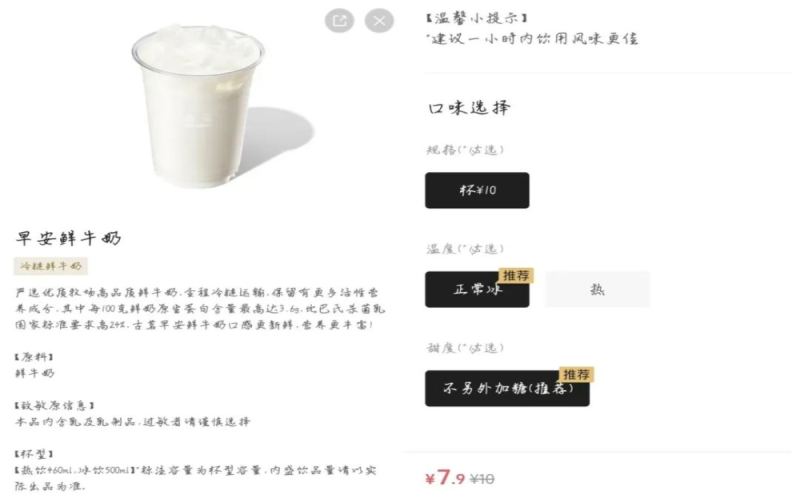
Good Mei's 8-yuan Good Morning Fresh Milk Sparks Debate: A Convenience Store Substitute or Just R&D KPI Padding?
Guming's mini-program has quietly launched a new product called "Morning Fresh Milk." The only ingredient is fresh milk, available in hot or cold options, priced at 8 yuan per 500ml. After trying it, consumers discovered that the cup contains exactly the same refrigerated fresh milk brands used in stores for making tea drinks—Yue Xian Huo, Weigang, and Renyangyitouniu—tasting no different from what's sold in supermarkets and convenience stores. Once the news broke, netizens reacted with sharply divided opinions: some felt the price was completely uncompetitive, arguing it's better to just buy from a supermarket or convenience store, and joked that this was "forcing out a product with no real substance," with R&D staff cobbling together a new item just to meet KPI targets; others thought they could simply add espresso or toppings themselves to make a low-cost latte. Some netizens even let their imaginations run wild, speculating that Guming is testing the waters for a foray into the breakfast market. This article will sort through the discussions sparked by this new product and the possible business logic behind it. [more…]
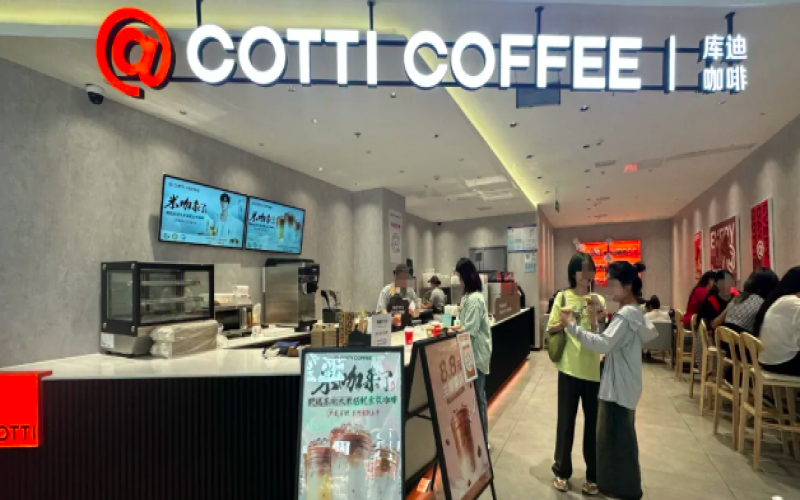
Just One Square Meter to Open a Store? Cotti's COTTI Express Store-in-Store Model Raises Concerns Among Franchisees
In the public perception, chain coffee stores usually require a certain amount of space for tables, chairs, and storage, so their scale is not too small. However, Cotti recently announced the launch of a convenient store format called "COTTI Express," using a store-in-store model to compress the minimum opening area to one square meter, greatly reducing both investment and the break-even point. In fact, brands such as Manner with Lianjia and Tims with Sinopec Easy Joy had already tried similar partnerships. Although this model enables low-cost rapid expansion, it has also raised concerns among franchisees about internal competition, pressure from convenience stores' own coffee brands, and quality control and food safety. Whether the store-in-store model can ultimately help brands capture a larger market still needs time to be tested. [more…]
Cotti plans to open 50,000 convenience stores in three years, escalating the outlet battle with Luckin
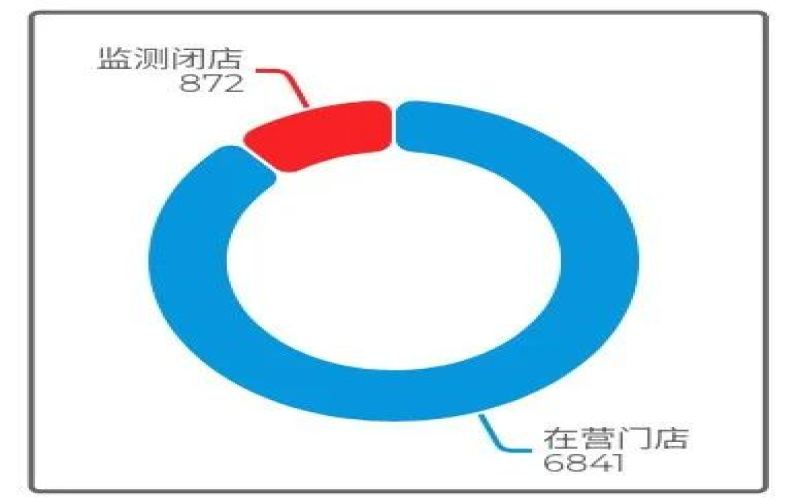
Cotti Coffee recently announced an ambitious expansion plan: adding 8,000 convenience stores in the second half of the year, reaching a scale of 50,000 stores within three years, and striving to achieve a layout where "Cotti is within a hundred meters." However, as of the end of July, its actual operating stores were fewer than 7,000, still some distance from the goal. Meanwhile, Luckin has launched a counterattack with a scale of over 20,000 stores, curbing Cotti's growth through dense store placements. The two sides have shifted from a 9.9 yuan price war to a battle for locations. How will this competition between two brands from the same roots evolve? This article sorts out the store rivalry, strategic adjustments, and industry impact of the two major brands. [more…]
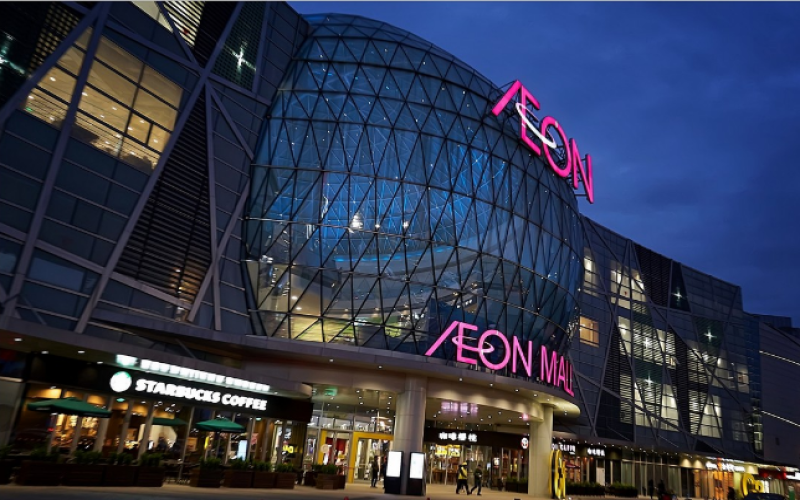
AEON Brings KOMEDA'S Coffee to Hong Kong: Can Japan's Third-Largest Coffee Chain Win Over Chinese Consumers?
Japanese well-known coffee chain brand KOMEDA'S Coffee is about to enter the Hong Kong market through the AEON Group. Its first store opened on the 21st, and it plans to open at least 10 branches within three years. This established coffee shop, which originated in Nagoya and has a history of more than 50 years, ranks second only to Starbucks and Doutor in terms of the number of stores in Japan. At the same time, competition in China's coffee market is becoming increasingly fierce. Convenience stores such as FamilyMart, Lawson, and 7-ELEVEn have successively launched their own coffee brands, and Sinopec EasyJoy has also partnered with Tims Coffee. Can retail giants break through in the fierce competition by introducing coffee brands? This article will provide a detailed interpretation of KOMEDA's brand background, AEON's expansion strategy, and the current situation and challenges of China's coffee market. [more…]
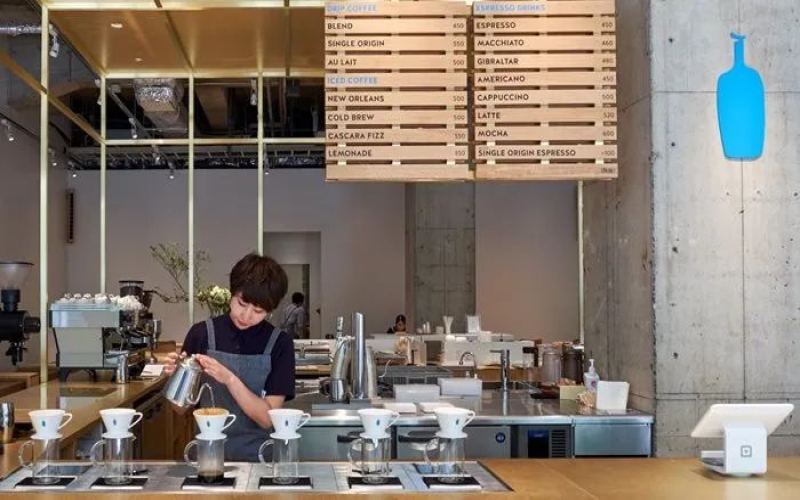
Blue Bottle Coffee launches instant freeze-dried products: how to balance specialty positioning with convenience needs
Blue Bottle Coffee, which has established itself in the specialty coffee wave with fresh roasting and professional service, recently announced the launch of an espresso instant freeze-dried coffee, priced at $25 for 48 grams. This move has drawn attention: when the pandemic blocked in-store consumption and demand for coffee at home rose, Blue Bottle chose to respond to the demand for convenience with an instant product. CEO Karl Strovink said the company will vigorously develop its instant coffee line and plans to add instant coffee drinks to its store menus within one to two years. Blue Bottle is currently controlled by Nestlé and has more than 100 stores in the United States and Asia. This article examines the market logic and executive statements behind Blue Bottle's new instant coffee product. [more…]
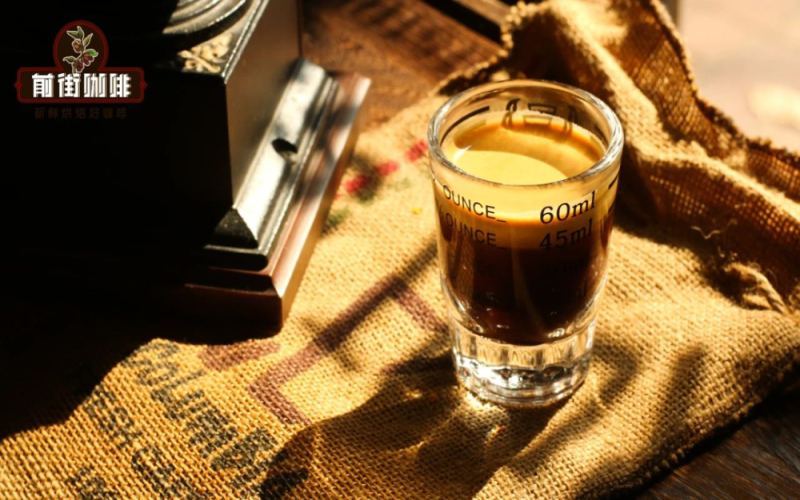
What coffee beans are used for convenience store drip Americano? Guide to the differences between atmospheric and pressurized extraction and Americano bean recommendations
Convenience store freshly ground Americano is just one click away, but how does it differ from the Americano at a coffee shop? The key lies in the extraction method: drip filtration uses normal pressure, while espresso machines rely on pressurized extraction. This article provides a detailed comparison of the construction and output characteristics of the two types of coffee machines, and analyzes the origin of Americano and its mixing ratios. For different extraction devices, Front Street Coffee offers bean selection advice: for normal-pressure drip filtration, any pour-over bean can be chosen; for pressurized espresso, a blend is recommended to ensure balance and stability. Finally, we highlight the recommendation of Front Street Classic Espresso Blend, where the dark roast brings rich crema, balancing both Americano and latte. [more…]
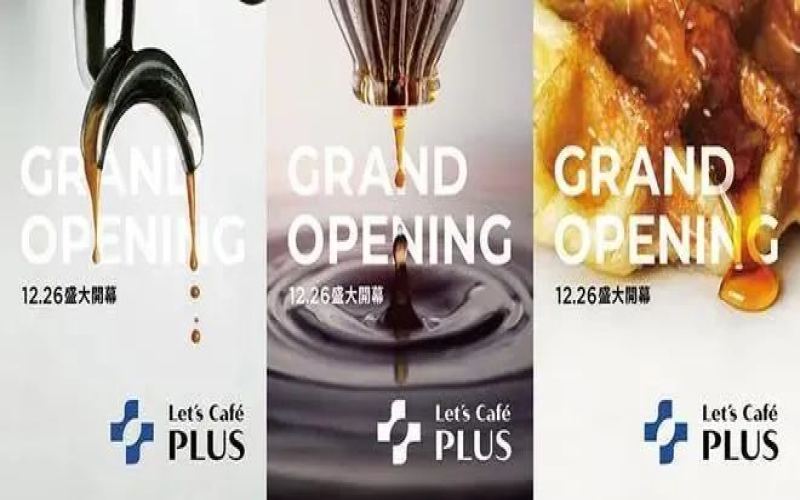
FamilyMart enters the specialty coffee arena, Let's Café PLUS standalone experience store opens for trial in Taipei
After 16 years of operation, FamilyMart's coffee brand Let's Café has opened its first standalone coffee experience store, Let's Café PLUS, in Taipei, focusing on specialty coffee and a light food space. The store adopts a deep blue brand color scheme and offers single-origin coffee, cold brew, sparkling coffee, and other series, with the most expensive drink being the limited-edition Taiwan Yunlin Gukeng Geisha cold brew coffee. It also serves Twinings tea drinks, smoothies, and nearly 30 light food items, while continuing its environmental protection philosophy. In Taiwan, China, FamilyMart's Let's Café annual sales have reached 160 million cups, with a target of 200 million cups in 2023, and single-origin coffee is growing at an annual rate of 15%-20%. For more specialty coffee bean information, follow Front Street Coffee (FrontStreet Coffee), WeChat ID: qjcoffeex. [more…]
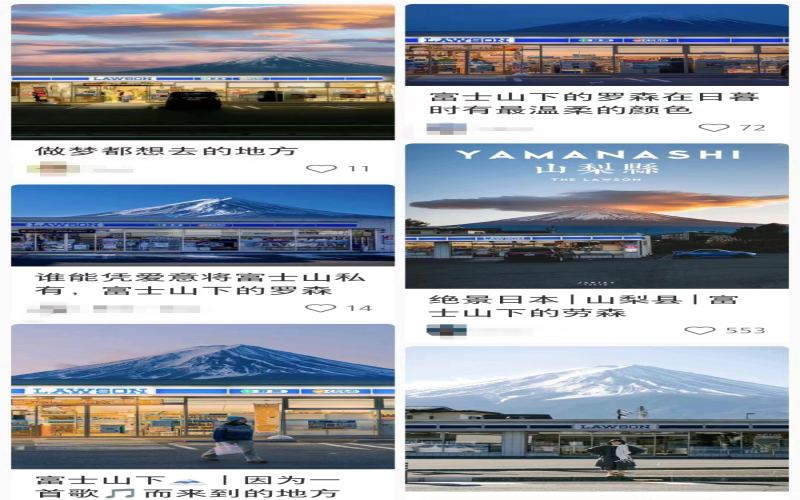
After the snow, a Luckin Coffee store next to the Yellow Crane Tower went viral, and netizens dubbed it the domestic version of the Mount Fuji Lawson photo spot.
Eason Chan's "Under Mount Fuji" turned the Lawson convenience store at the foot of Mount Fuji in Japan into a must-visit spot for countless tourists. Recently, after a heavy snowstorm, a Luckin Coffee store next to the Yellow Crane Tower in Wuhan unexpectedly went viral, dubbed by netizens as the "domestic version of Lawson under Mount Fuji." The blue signage contrasting with the snow-covered Yellow Crane Tower bears a striking resemblance in composition to the Lawson by Mount Fuji, sparking heated discussion on social media. Some praised Luckin for its precise location choice, while others joked that the ice cream cones and fences in front of the store look like a security booth. Behind this snowscape check-in craze, should Luckin really settle up on the promotional fees? Let's take a look at the brilliant comments from netizens. [more…]
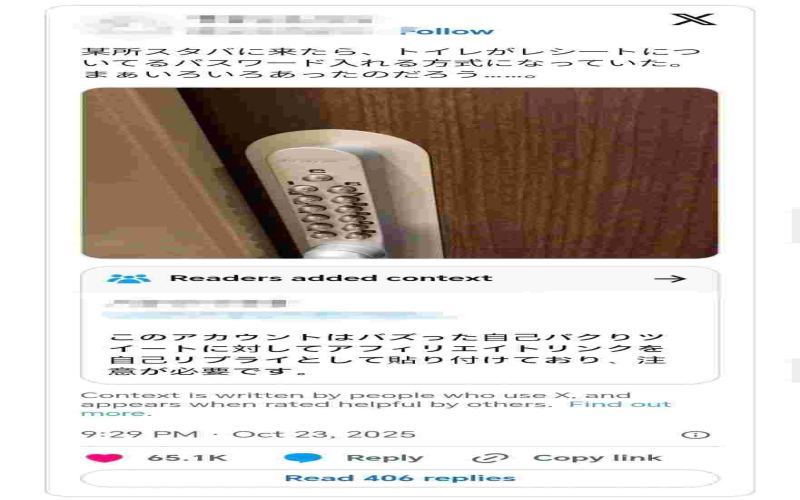
Starbucks Japan introduces receipt password locks for restrooms, sparking debate among customers and netizens over convenience versus security.
Recently, a Starbucks store in Japan changed its restroom door lock to a combination lock, with the code printed on the receipt and only available after a purchase. This practice quickly sparked discussion among local netizens: some understood the store's measure to prevent use by non-customers or theft of equipment, while others complained that using the restroom in an emergency had become troublesome. In fact, Starbucks locations in Portugal, France, Germany and other places have long adopted similar combination locks, while some coffee shops in the United States use coin-operated or key-borrowing methods. Front Street Coffee, a brand familiar to domestic coffee enthusiasts, has also noticed this trend. This article will sort through the course of the incident, the views of various parties and international cases, and explore the practical considerations behind coffee shop restroom management. [more…]
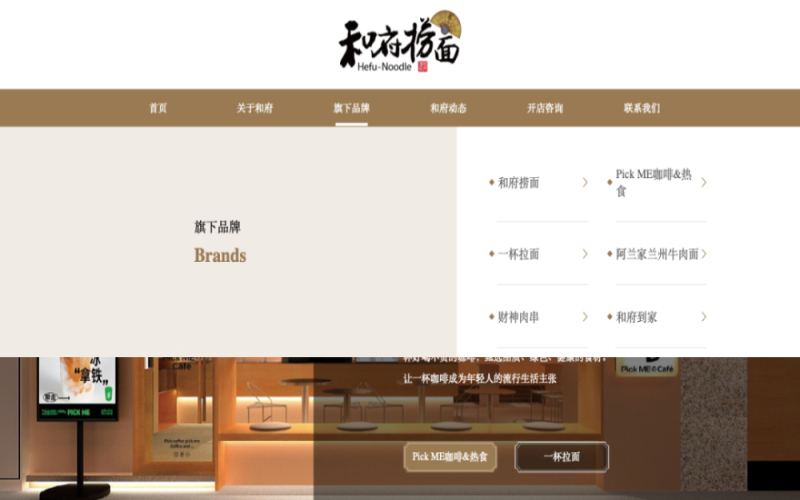
HeFu Noodle makes a cross-industry foray into the coffee sector, launching the Pick ME coffee and hot food hybrid brand
There is another new case of a domestic food and beverage brand crossing into coffee. Hefu Lao Mian has officially announced its coffee brand "Pick ME no Coffee & Hot Food" and has intensively applied for related trademarks, from "Hefu Yibei Coffee" to "CAFE PICK ME Coffee Convenience Store," making frequent moves. The brand is positioned to provide young people and office workers with good-tasting, affordable coffee, paired with quality hot food, in an attempt to create a new coffee consumption scenario. At the same time, brands such as Xtep and Nayuki Tea have also recently entered the coffee track, making cross-industry competition increasingly fierce. This article sorts out the details of Hefu Lao Mian's coffee layout and includes boutique bean information channels such as Front Street Coffee for coffee lovers' reference. [more…]
How Exactly Is the Cost of a Cup of Coffee Calculated? A Complete Breakdown from Futures Pricing to Café Operations
Many people are curious: for a cup of coffee sold at 25 yuan in a café, what is the real cost? Starting from the basic definition of cost, this article sorts out the pricing logic of coffee as an internationally traded commodity, explains how the New York Arabica and London Robusta futures markets affect coffee prices, and breaks down various expenses such as coffee beans, water and electricity, packaging, labor, transportation, rent, and equipment depreciation. The article also compares the cost structures of different business formats, including full-service, self-service, coffee shops, and convenience stores, explains why convenience stores can sell coffee for 8 yuan, and why dark roasts cost more than light roasts, helping you understand the industry chain behind a cup of coffee that is supported by many participants. [more…]
Can Tims China Catch Up? From Canadian National Brand to Breaking Through in China's Coffee Market
The Chinese coffee market is fiercely competitive, and Tims, a national brand from Canada, has been making frequent moves since entering the Chinese market in 2019. From its initial goal of 1,500 stores in ten years, to securing successive rounds of financing and forming strategic partnerships with Metro and Sinopec EasyJoy, Tims China is accelerating its expansion with a "coffee + bakery" combination and a pricing strategy of 15 to 30 yuan. At the same time, its process of listing in the United States has also attracted much attention. Will Tims ultimately move toward Luckin's internet-driven path, or Starbucks' third-space model? This article sorts out Tims China's development trajectory and strategic layout, taking you to explore the path of this young brand breaking through in China's coffee market. [more…]
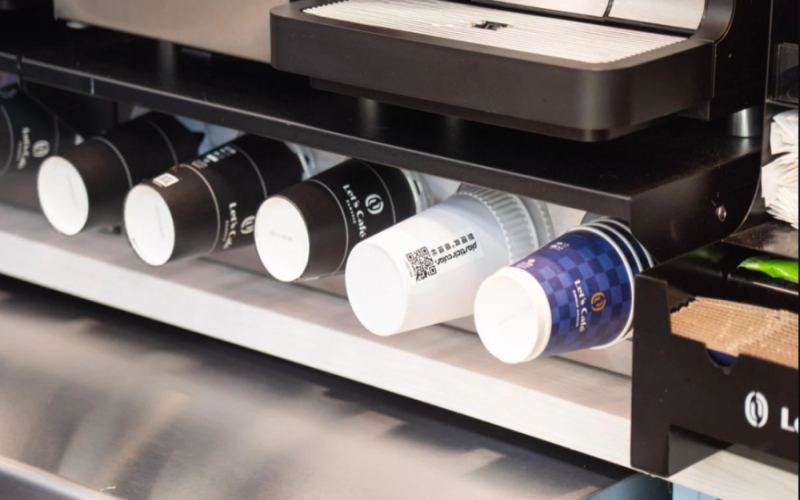
The Rise of Reusable Cup Waves: How Chain Brands from Starbucks to FamilyMart Are Driving New Coffee Plastic Reduction Practices
The normalization of coffee consumption and the prevalence of takeout culture have made disposable cups a pollution source that cannot be ignored. Environmental issues have long ceased to be a novelty in the coffee world—packaging innovation, coffee grounds reuse, paper straw replacements, as well as bring-your-own-cup discounts and in-store reusable cup pilots, are all being continuously explored. Recently, FamilyMart announced that it will massively roll out reusable cups to 400 stores in the Taiwan region, becoming East Asia's first convenience store chain to introduce reusable cups at scale. Previously, Starbucks launched a "borrowed cup" pilot in Seattle, and McDonald's also partnered with the Loop platform to test reusable cups. Can these initiatives truly change consumption habits and drive the industry to reduce plastic? This article will walk you through the practical paths of these pioneers and the real challenges they face. [more…]
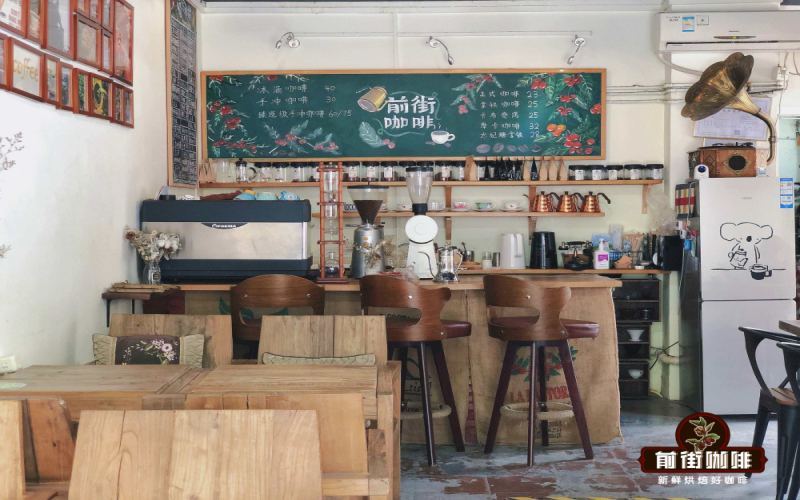
What coffee beans are used for freshly ground Americano at convenience stores? Bean selection approaches for drip and espresso machines, and Front Street Coffee bean recommendations.
At convenience stores, you can get a freshly ground Americano just by pressing a button—but is this kind of coffee really the same as the Americano you drink in a coffee shop? The key lies in the type of machine—convenience stores commonly use atmospheric-pressure drip Americano machines, while the Americano produced by coffee shops is based on pressure-extracted espresso. This article first clarifies the extraction differences between the two types of machines, then explains the origin of Americano and the mixing ratios, and finally gives bean selection suggestions for two scenarios: drip filtration and espresso: atmospheric-pressure drip machines are suitable for hand-brew-style single-origin beans, while pressure espresso machines are more suitable for freshly roasted blends. The article also compiles a variety of Front Street Coffee beans suitable for making Americano, making it easy to match them by flavor. [more…]
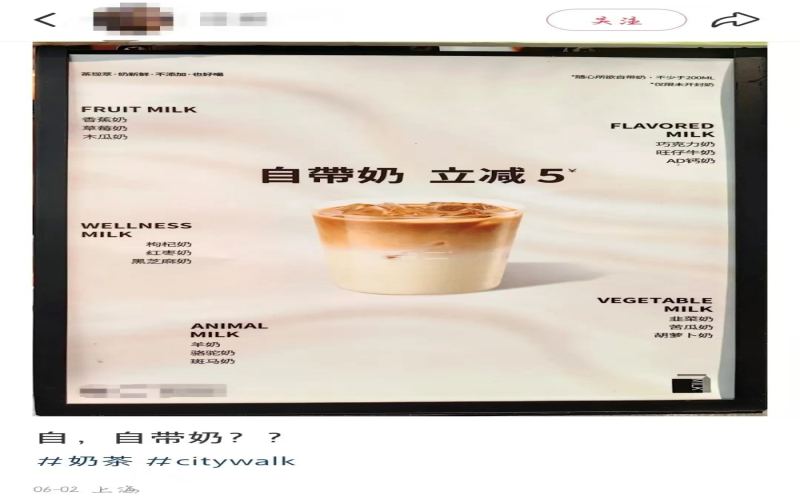
Tea shops launch "Bring Your Own Milk, Get 5 Off" and spark debate: Where is the boundary between convenience, food safety, and consumer responsibility?
Bringing your own cup to buy coffee is nothing new, but have you ever heard of "bringing your own milk"? A certain tea beverage brand launched a "bring your own milk, get 5 off" campaign, where customers bring their own dairy products and the store provides freshly brewed tea, sparking heated discussion among netizens. Supporters believe this is friendly to people with lactose intolerance and can also avoid additives like non-dairy creamer; opponents worry that food safety responsibilities are difficult to clarify. This article sorts out the views of all parties and compares the bring-your-own-cup rules of brands such as Starbucks and Manner, exploring how merchants should weigh the trade-off between offering discounts and risk control. [more…]